
Toyama City Glass Art Museum | Toyama Glass Art Museum
Two years ago, I visited COEDA HOUSE, designed by Kengo Kuma, with the company at Atami Rose Garden.
The Toyama Glass Art Museum is the second Kengo Kuma building I've visited with Welldosha.
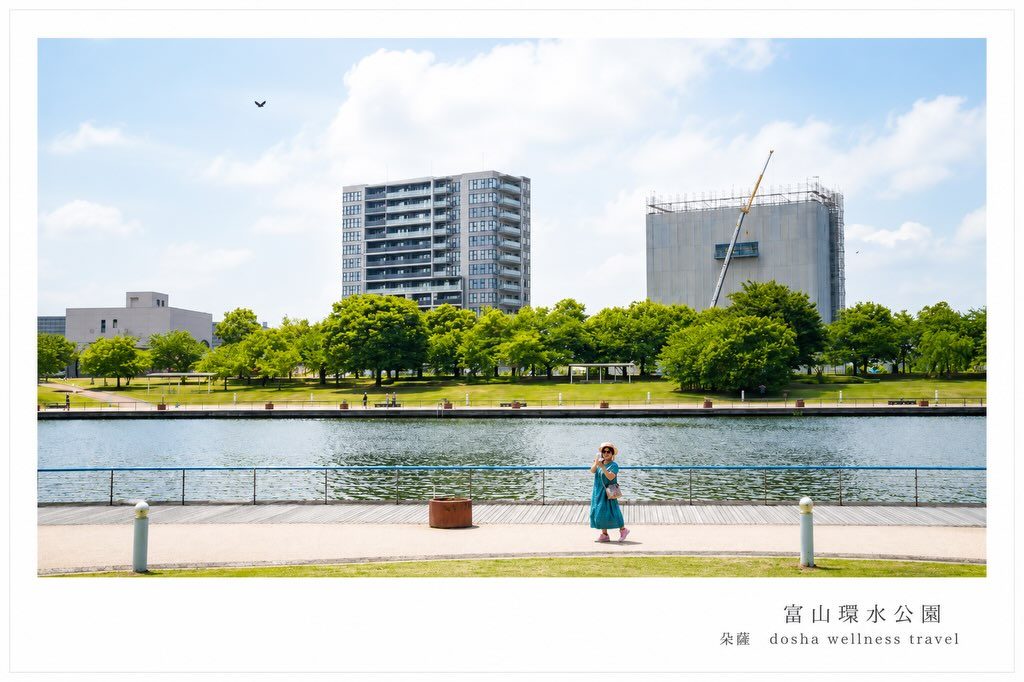
Both times, my reaction was just "beautiful space, great for photos" — nothing more. I didn't find it especially stunning.
After reading a bit more about the architecture, I realized that plainness is exactly where the substance lies.
Kengo Kuma, born in 1954, is one of contemporary Japan's most important architects.
The core of his aesthetic isn't about making architecture flashy or dominant — it's about letting the building "blend into its surroundings."
Wood, light, air, the city, and the people who linger — all become part of the space together.
- The most striking feature of the Toyama Glass Art Museum is the slanted, upward-opening space at its atrium.
Natural light falls from above, passing through glass, timber framing, and the gaps between floors, until the whole space feels like one giant "light well."
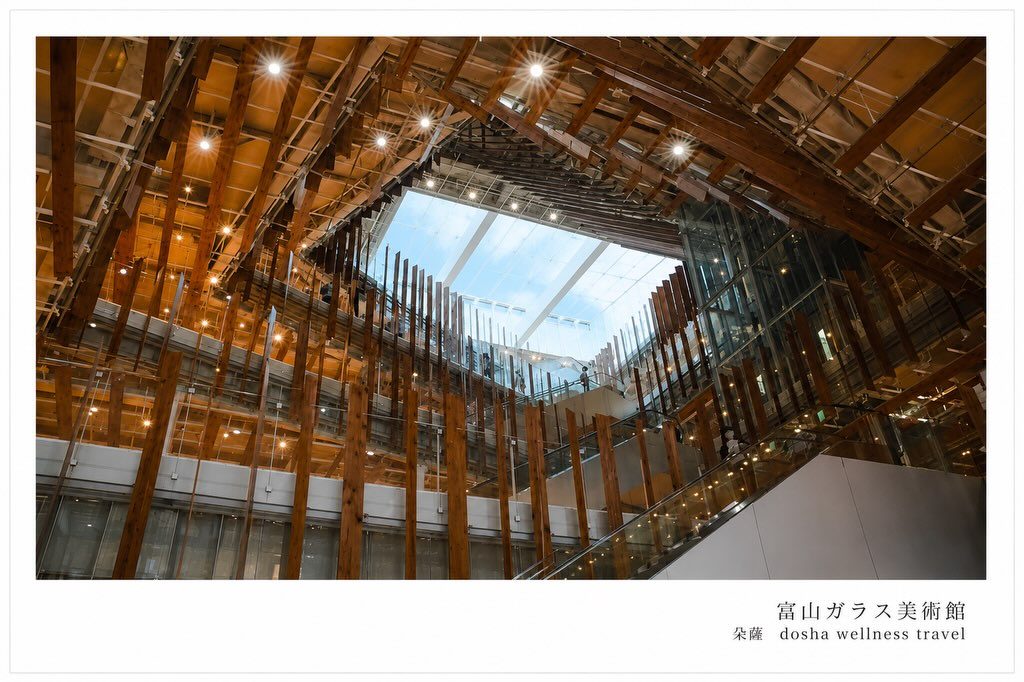
Light and shadow become part of the architecture itself.
Fleeting, flowing, gone before you can hold onto it — and that's exactly what makes it endlessly changing.
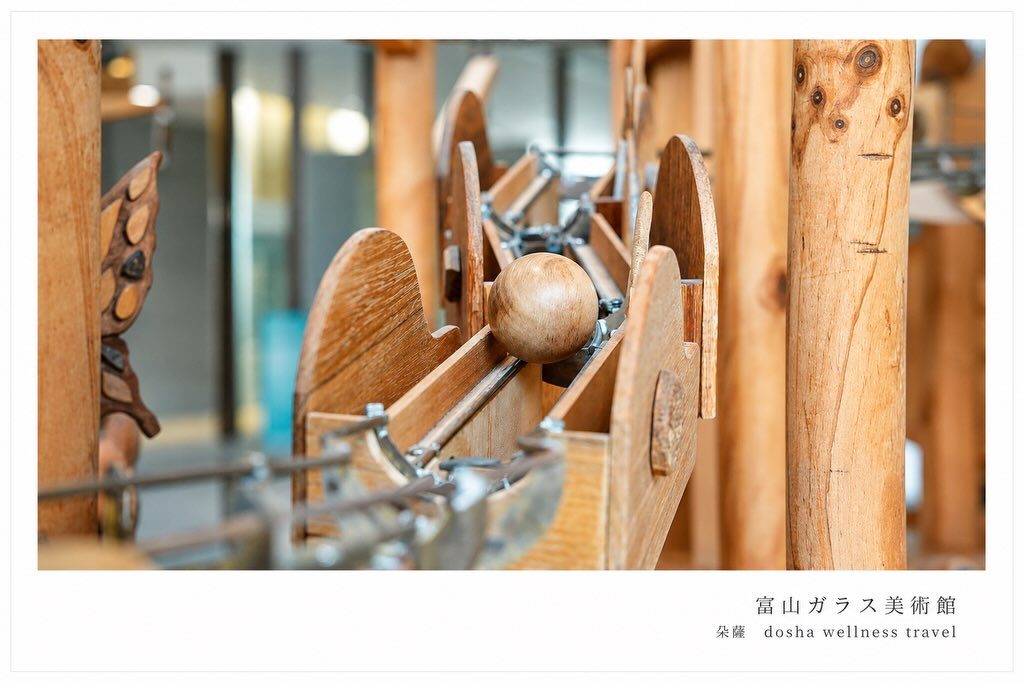
- Slats of Toyama-grown cedar turn what could have been a cold museum interior into a warm, soft, breathing indoor forest.
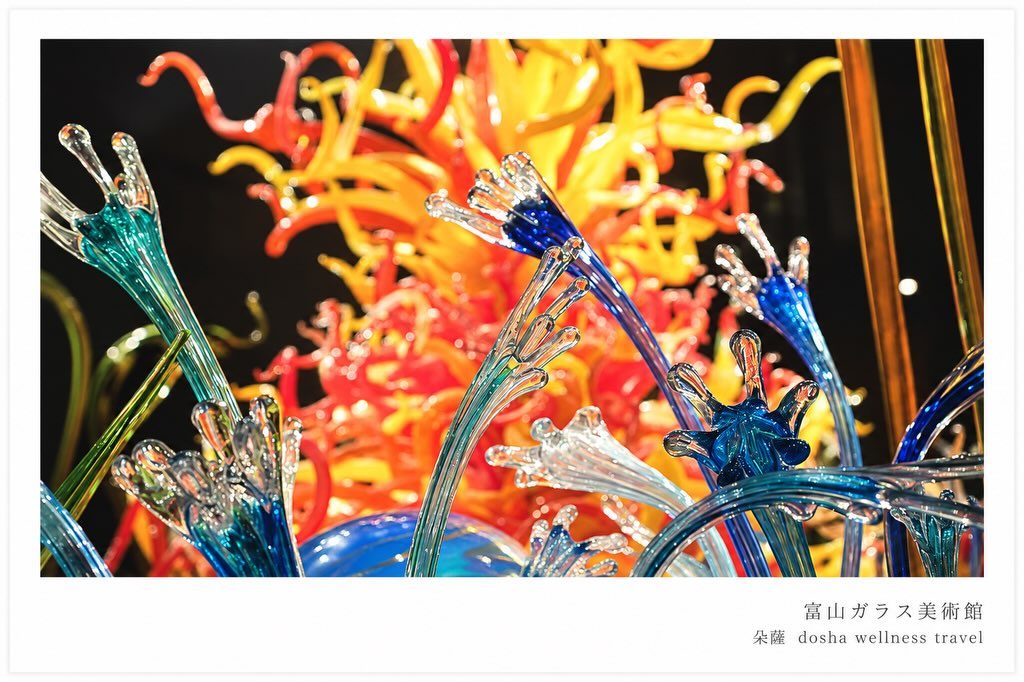
- Glass catches the light, refracts it, transforms it.
So the blues, greens, and oranges we see aren't just beautiful artworks — they're also what light and shadow look like once rearranged.
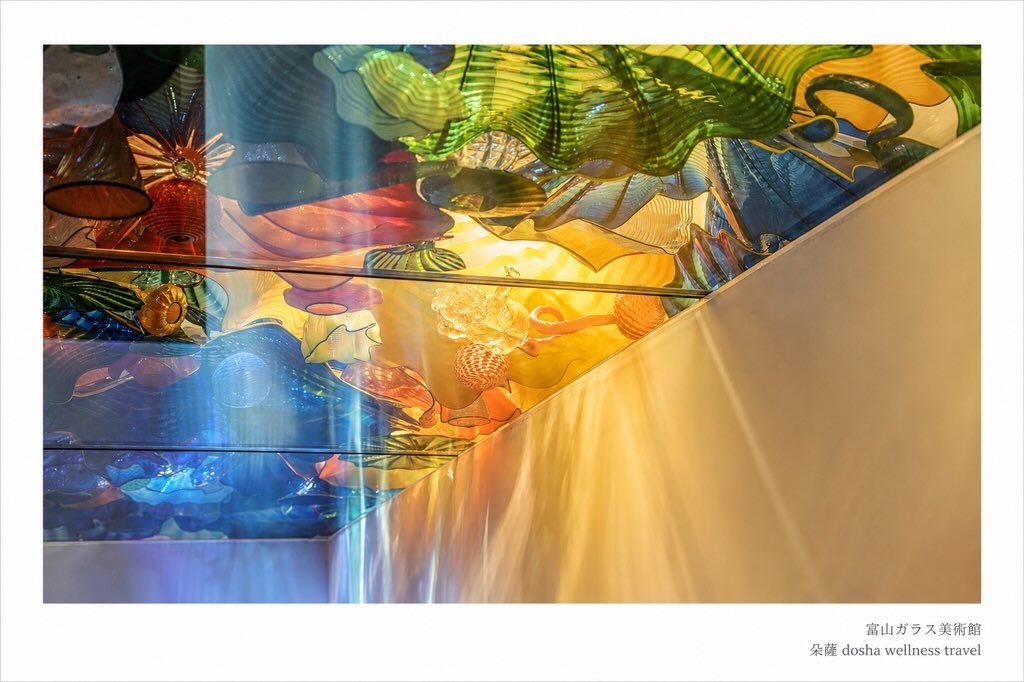
A healing space holds both dancing light and shadow, and the hearts of the people who stay in it.

How the light falls, how the materials let you relax, how the flow of the space slows you down, whether you can settle in and feel at ease.
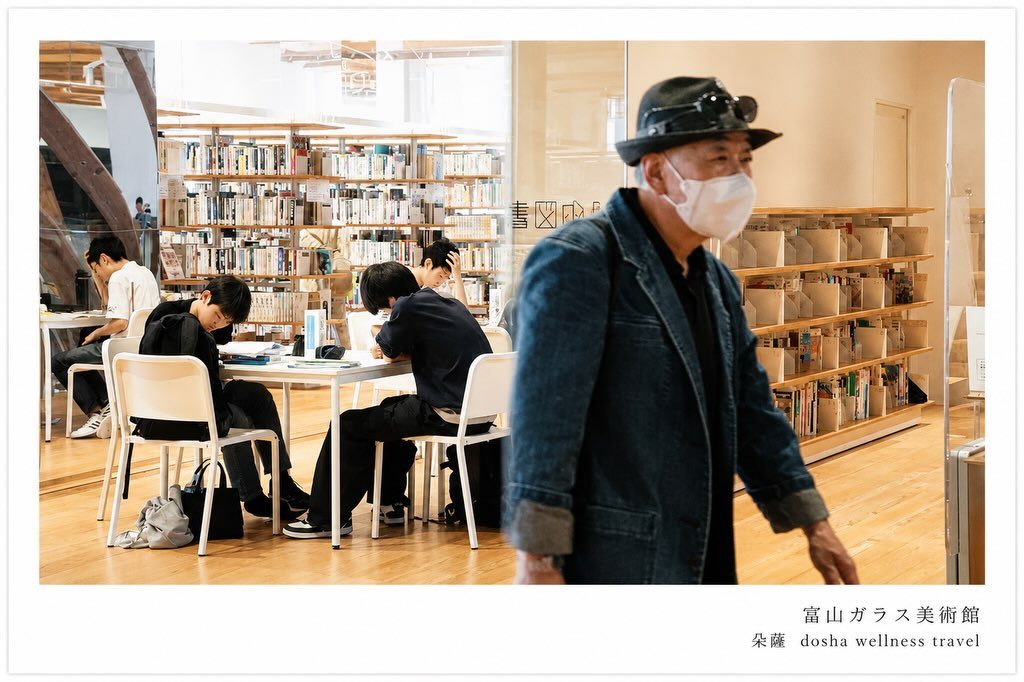
It was wonderful visiting the Toyama Glass Art Museum with Welldosha,
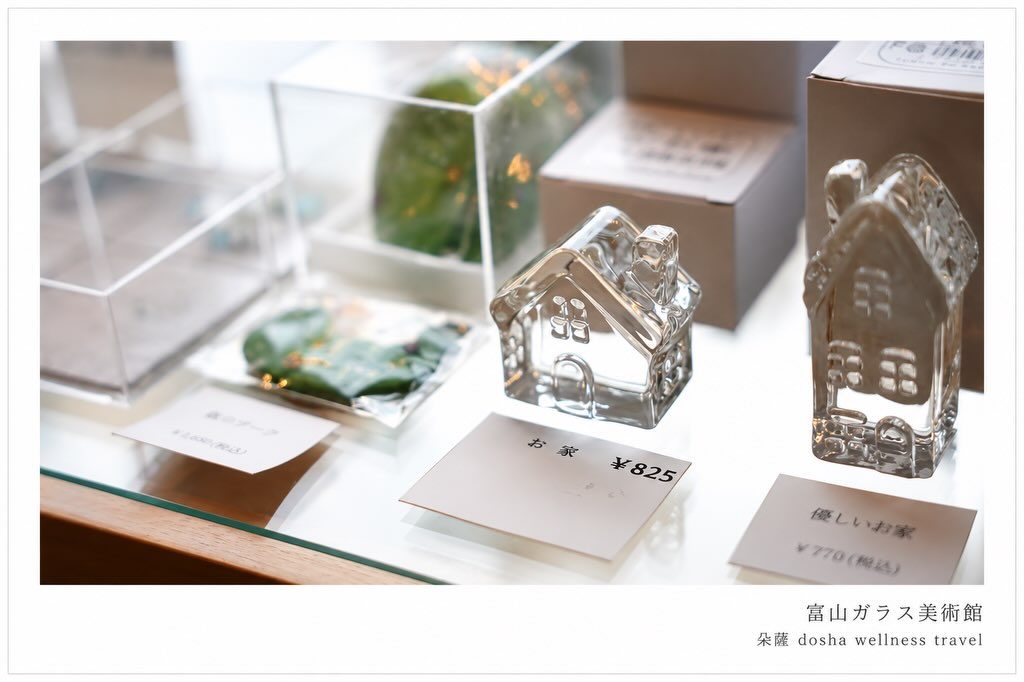
"A good space gently catches the people inside it."
Let the light in, let the body let go.
Awei Vic, May 2026, early summer